


Lease a bike

Bicycle Leasing 2.0: the New Standard

We guide, support and motivate both employers and employees. Everything for the ideal cycling experience thanks to our unique offering.

How does bicycle leasing work?

With bicycle leasing, you use (part of) your gross salary for a bicycle. This can be done through the end-of-year bonus or the monthly gross salary. This makes it fiscally optimised. Leasing a bicycle is often up to 40% cheaper than buying a new bicycle.

You usually lease the bicycle for a period of 3 or 4 years, during which you also benefit from services such as maintenance, repairs, bicycle assistance and support in case of damage or theft. At the end of the lease period, as an employee you have the choice: take over the bicycle at the residual value or not.

There are certain parameters that you as an organisation can set which determine the lease conditions for your employees. This allows the system to be fully tailored to your organisation.

Leasing a bicycle with Cyclobility is very simple: we offer both employers and employees a complete package, from start-up to the end of the lease. Cyclobility is a partner for the entire ride.

Want to know more?

How much does it cost to lease a bicycle?

A bicycle lease consists of the rental of the bicycle and everything that comes with cycling: maintenance, protection against theft and damage, bicycle assistance and a replacement service.

When leasing a bicycle in Belgium, the employer and employee agree that a bicycle is made available in exchange for a deduction from the gross salary. And that is a great advantage: the contribution via the gross salary is exempt from withholding tax and social security contributions, meaning the employee only pays half of the actual cost.

When the employer pays a bicycle allowance, it is possible to reduce the cost for the employee to zero euros. In some cases, it can even generate a financial benefit.

Want to know more as an employee?

Offer bicycle leasing as an employer

Starting bicycle leasing is simple and can be done in different ways, both for large and smaller organisations. We have experience with public tenders, but also with quick implementations.

With Cyclobility you benefit from bicycle leasing 2.0. That means:

  • No financial risks. Cyclobility carries the risk of non-payment.

  • Tailored to your organisation – large or small.

  • A reliable partner for the entire ride.

Want to know more?

Which bicycle can you lease?

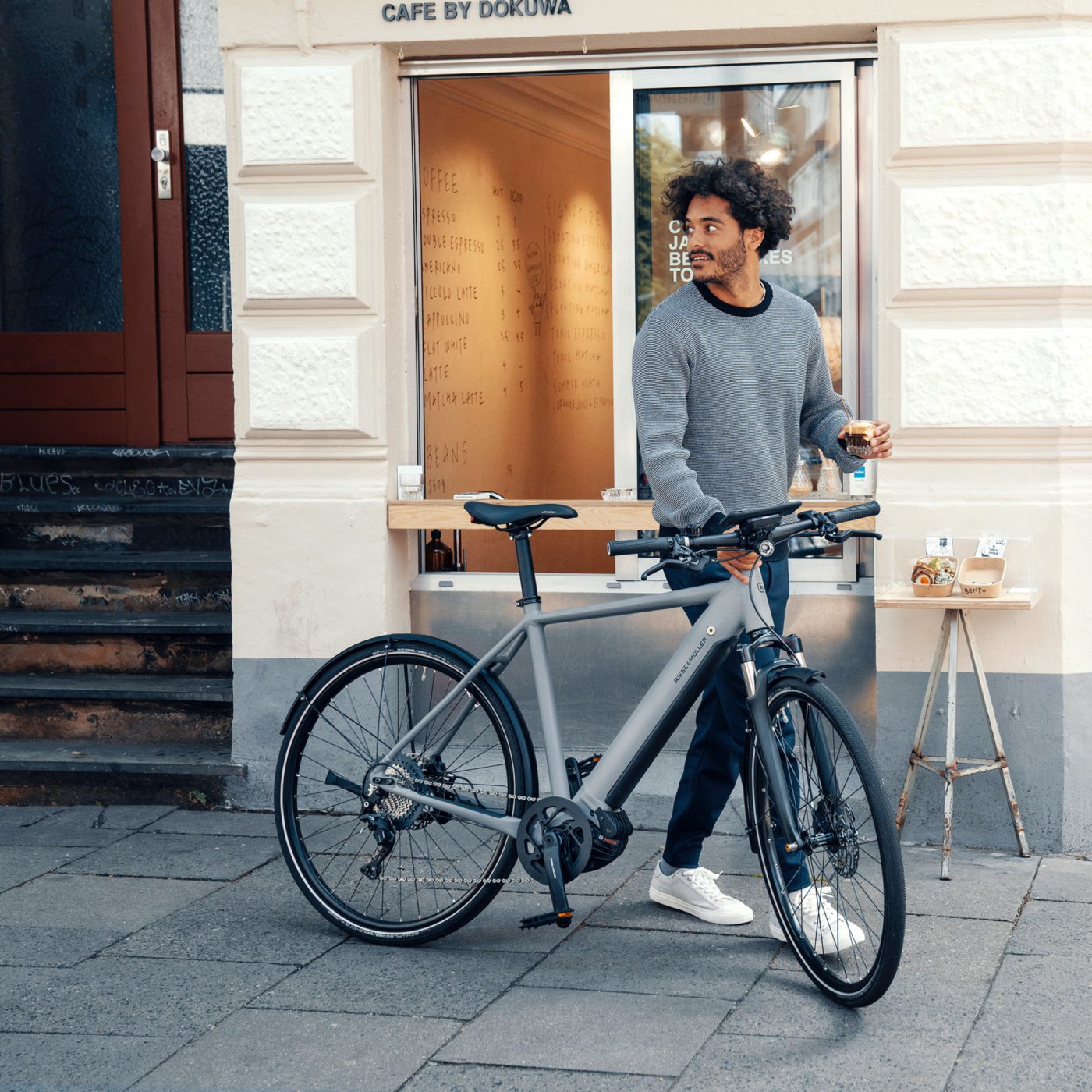
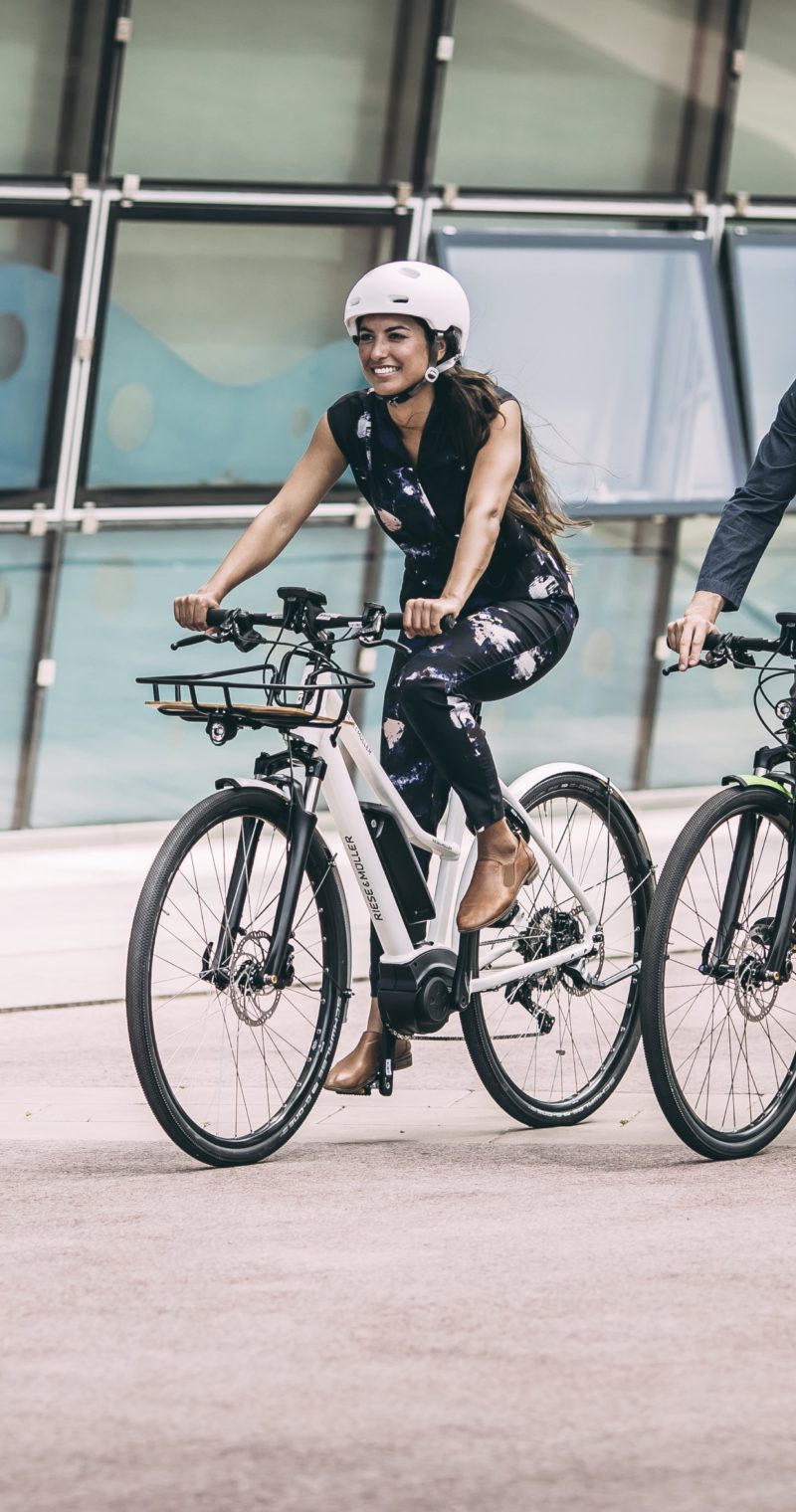
At Cyclobility we focus on high-quality bicycles. Want to lease an electric bicycle? Browse the models from Riese & Müller, Moustache, Gazelle, Cannondale, Urban Arrow and UTO.

More into sports cycling? Then a road bicycle or MTB from BMC, Orbea, Scott, Cannondale or Thompson might be exactly what you are looking for.

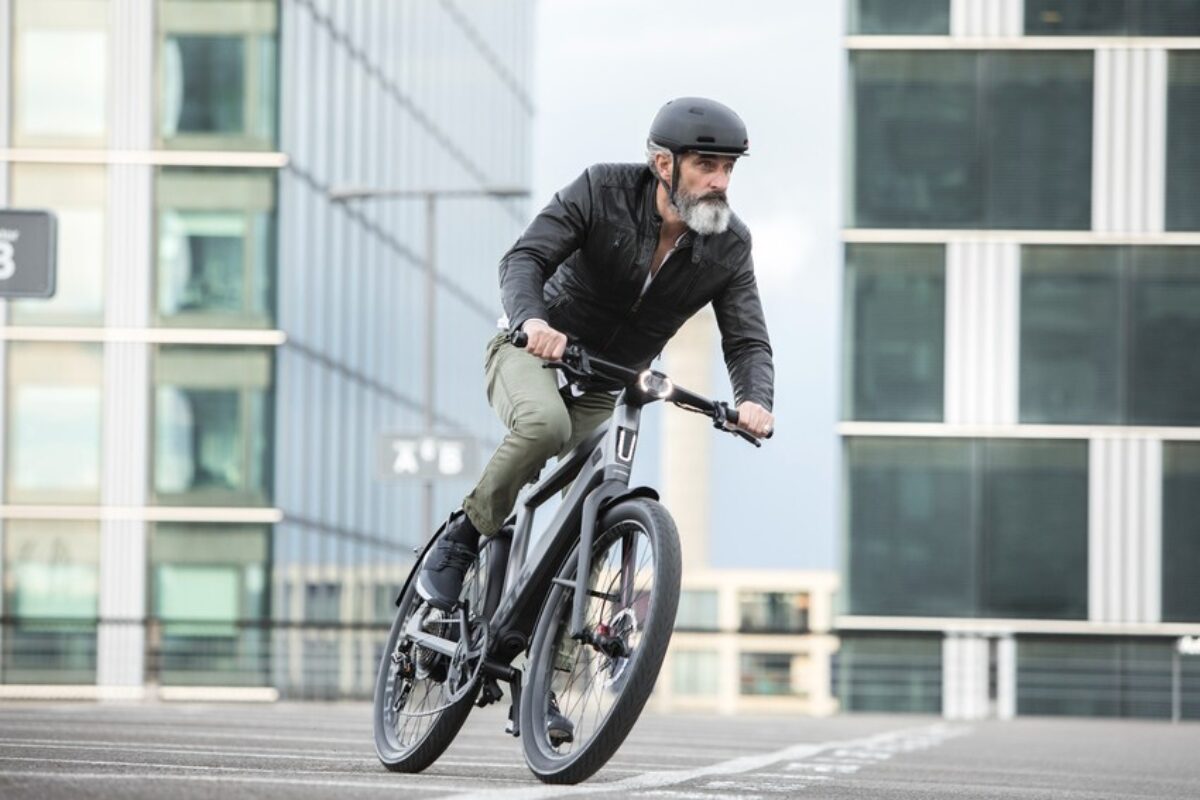
Do you love speed? Stromer, Klever and Riese & Müller will certainly convince you to lease a speed pedelec.

You can also visit your local bicycle dealer to choose your dream bicycle.

Benefits of leasing a bike

The benefits of leasing a bike for employees are limitless. It enhances sustainability by encouraging healthy lifestyles and reducing CO2 emissions. Also, bicycle leasing is a tax-friendly and exempt from fringe benefit (‘voordeel van alle aard’) taxation, resulting in lower taxes. Employees can buy their dream bike at a reduced price and benefit from maintenance, repairs, assistance and breakdown service.

For employers, bicycle leasing is budget-neutral and offers opportunities for optimising the pay package, attracting new employees and a good CSR policy. The administrative burden is minimised with a tailor-made webshop. Also, bicycle leasing reduces parking problems and absenteeism, promoting a healthier and more active working environment.

So the many benefits outweigh the disadvantages of bike leasing.

Frequently asked questions about bicycle leasing

  • Absolutely. Cyclobility has a large network of local bike shops where you can choose your bike as a leaseholder.
    You can find an overview here.

  • Op vandaag kun je als leerkracht geen fiets leasen in het onderwijs. Toch niet via de klassieke brutoloonruil formule of door optimalisatie van de eindejaarspremie.

    Het schoolbestuur heeft echter de optie om als werkgever rechtstreeks een fietsleaseovereenkomst aan te gaan met een fietsleasemaatschappij en de voorwaarden daarvan te bespreken met het personeel. Als dit pad wordt bewandeld, zal de bijdrage voor het leasen van de fiets losstaan van het salaris van de leerkracht, dat wordt uitbetaald door het Agentschap voor Onderwijsdiensten (AGODI). Hierdoor heeft fietsleasing op dit moment geen fiscale voordelen voor mensen die werkzaam zijn in het onderwijs.

  • There are very few disadvantages to bike leasing, and they certainly don’t outweigh the many benefits. These are the main things to keep in mind:

    1. Early termination fee: If you resign from your job, you can choose to purchase the bike. If you don’t, you’ll need to pay a termination fee. If your employer ends your contract, they are responsible for the termination fee.

    2. No ownership during the lease period: You are not the owner of the bike during the lease. However, you can choose to purchase it at the end of the lease term.

    3. Minimal impact on your pension: If you lease a bike through your employer using a gross salary exchange, your gross salary will be slightly lower. This has a limited effect on your pension. You can read all about it here.

  • Leasing a bicycle as a private person unfortunately is not possible. However, it is possible to obtain a bicycle loan as a private person. So you can buy a bicycle and pay it off at your leisure.

  • The cost of leasing a bike through your employer depends on several factors: the retail price of the bike, the duration of the lease (usually 36 or 48 months), and whether you finance it through a gross salary exchange or via your year-end bonus.

    Thanks to bike leasing, you can save up to 40% compared to buying a bike directly from a bike shop.

  • Leasing a bike through your employer is done via your gross salary or your year-end bonus. This lowers your taxable income, which can be beneficial. There is a small impact on your pension and other salary-linked benefits, but this is rarely significant compared to the financial and practical advantages of leasing.

  • Bicycle leasing via the end-of-year bonus is only possible if approved by the joint committee or the sector. Currently, agreements exist in the following sectors: JC 200 (Supplementary National Joint Committee for Employees), JC 207 (Petroleum Sector), JC 310 (Banking Sector), JC 329 (Socio-cultural Sector), JC 335 (Technology and Consultancy), JC 330 (Health Institutions and Services), JC 111 (Metal Industry – Manual Workers), JC 209 (Metal Industry – Clerical Workers), and Education (education and CLB staff via the Flemish government, from 2025).

    Not every company in these sectors automatically offers bicycle leasing via the end-of-year bonus. Check with your employer or HR department to find out whether this scheme is available to you.

  • With bicycle leasing via your end-of-year bonus, you use your annual bonus to pay for the lease. With gross salary exchange, you trade in part of your monthly gross salary instead. Both options have tax advantages, but the end-of-year bonus is typically a one-off, larger amount, while salary exchange spreads the cost monthly.

  • Because your end-of-year bonus is part of your salary and influences pension accrual, using it for leasing may mean it is no longer counted in your future pension calculation. However, the impact is limited and depends on the size of the bonus and how often you exchange it.

  • Yes, you can also use the leased bike you get through your employer in your private life, and it won’t be considered a taxable benefit. Whether you cycle to work, run errands or cycle in your free time, there is no additional taxation.

  • There is no legal minimum number of times you must commute by lease bike in order to benefit from the tax exemption. The key requirement is that the bike is available for commuting, even if you also use it for private purposes.

    That said, some companies do set a minimum number of commuting days in their internal bicycle policy to ensure the bike is effectively used for work-related travel.

  • Yes, there are important differences. A company car is indeed considered a benefit in kind and subject to taxes, while a leased bicycle is completely exempt from BIK. Moreover, the cost of a leased bike is usually lower and contributes to a more sustainable mobility policy.